
5 Reasons Why Classic Car Restoration Is Worth the Investment
Owning a vintage automobile provides a unique connection to the past, allowing enthusiasts to experience the design philosophies and engineering triumphs of bygone eras. For many individuals, acquiring an older vehicle is the beginning of a profound journey that transforms a neglected machine into a rolling masterpiece. This intensive process requires patience, dedication, and a deep appreciation for automotive heritage. Engaging in classic car restoration allows owners to preserve history while tailoring a vehicle to precise standards of beauty and performance. Beyond the emotional rewards, this endeavor represents a significant cultural preservation effort that keeps historical engineering alive. Understanding the distinct advantages of this pursuit helps collectors appreciate the true value of their dedication.
1. Preserving Historical Automotive Heritage
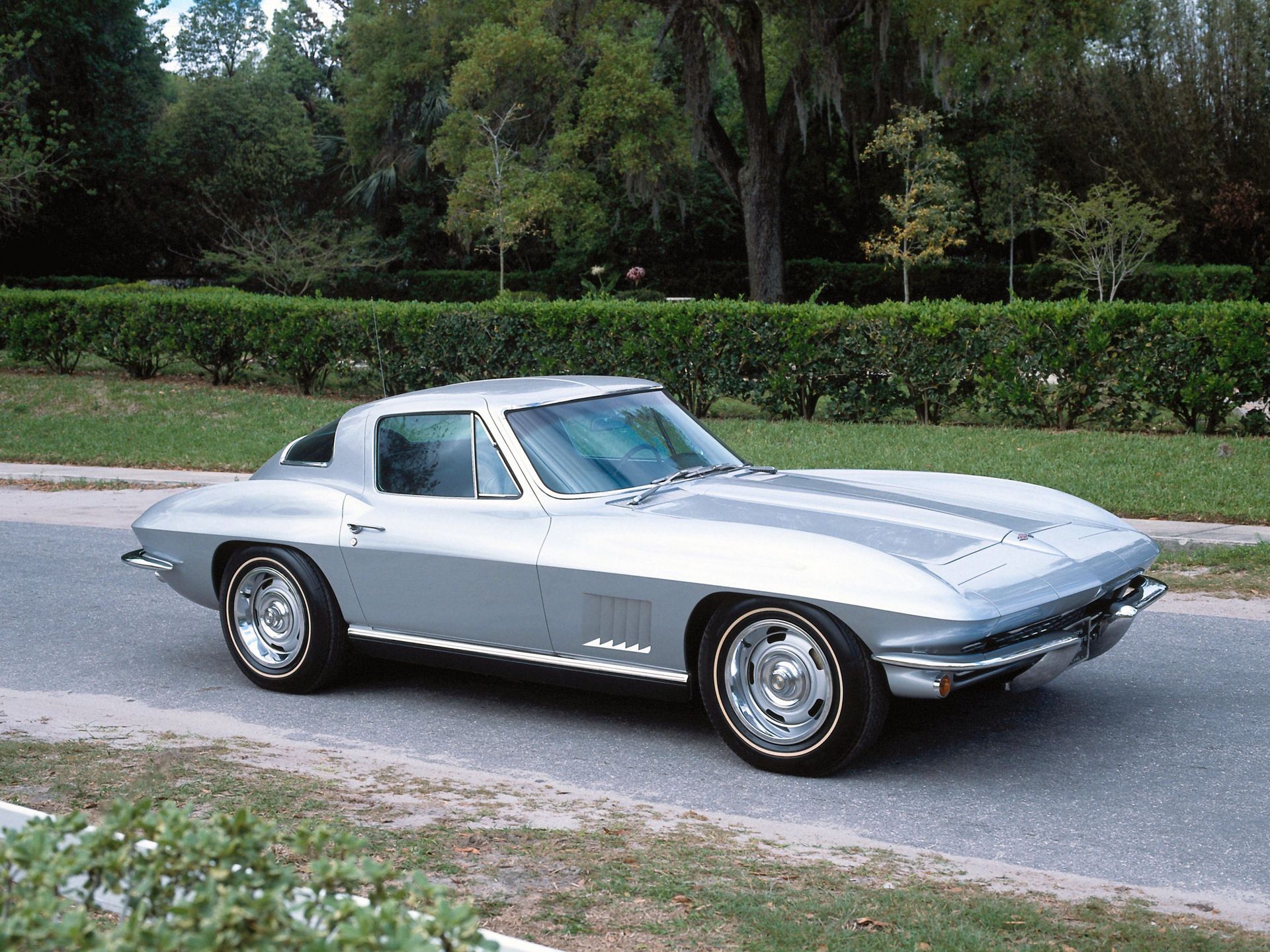
Every vintage automobile tells a story about the era in which it was manufactured, reflecting the cultural trends and technological capabilities of its time. When a vehicle is left to deteriorate, a piece of material history is slowly lost to rust and decay. Committing to classic car restoration ensures that these physical artifacts are saved for future generations to study and admire. This process involves meticulous research to verify original factory specifications, from the exact paint formulations to the specific stitching patterns on the upholstery. By accurately recreating these elements, enthusiasts protect the integrity of the design and honor the workers who originally assembled the machine.
This preservation work extends beyond individual satisfaction, contributing to a broader collective memory shared by automotive enthusiasts worldwide. Showcasing a fully rehabilitated vehicle at community events or regional shows sparks nostalgia and educates younger generations about historical engineering milestones. These automobiles serve as tangible links to structural and stylistic movements that no longer exist in modern vehicle production. The widespread global passion for maintaining these rolling pieces of history is reflected in the continuous expansion of the specialized automotive economy. According to FortuneBusinessInsights.com, the global automotive restoration market size was valued at USD 6.01 billion in 2025. This substantial valuation highlights the enduring global commitment to saving automotive treasures from disappearing forever.
2. Reviving Legacy Mechanical Craftsmanship
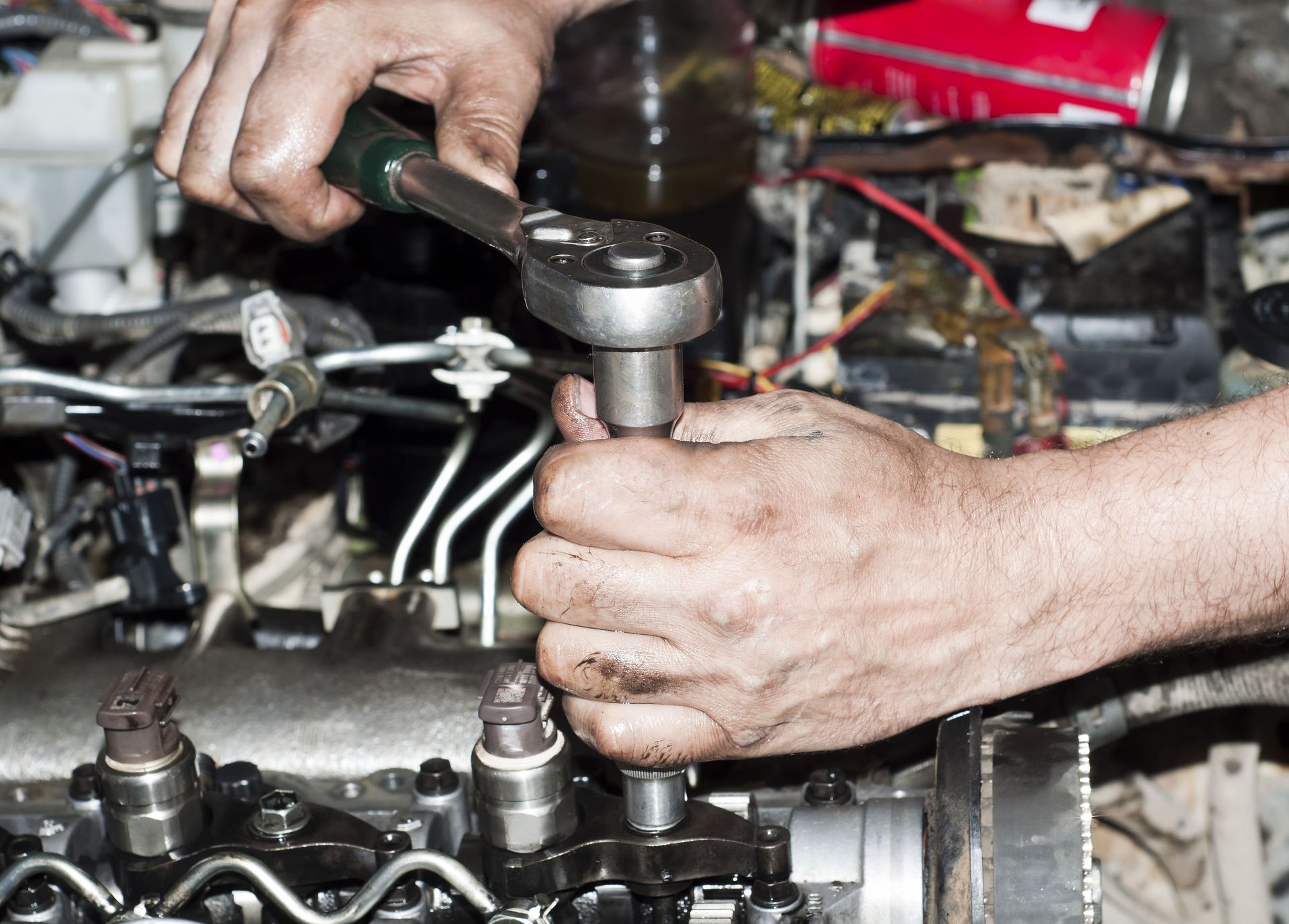
Modern vehicles rely heavily on computerized modules, digital sensors, and automated systems that abstract the driving experience away from mechanical simplicity. In contrast, older automobiles possess an organic complexity where every linkage, gear, and valve operates in visible, tactile harmony. Engaging in classic car restoration provides a rare opportunity to study and master these traditional mechanical techniques, from tuning carbureted fuel delivery systems to adjusting manual steering boxes. Working on these components requires specialized manual dexterity and problem-solving skills that are rapidly vanishing from the repair industry. Reviving these systems allows technicians to keep traditional industrial skills alive and relevant.
Restoring the mechanical core of a vintage vehicle also ensures that the machine operates safely and dependably under modern road conditions. Technicians must carefully disassemble engines, transmissions, and braking assemblies, inspecting components for hidden stress cracks or wear. This meticulous rebuilding process often combines historical techniques with modern material improvements, such as utilizing superior gaskets or more resilient metal alloys to enhance reliability. The resulting powertrain functions exactly as intended by the original designers, delivering a raw mechanical performance that cannot be replicated by contemporary sports cars. Mastering these traditional systems bridges the gap between historical ingenuity and operational excellence.
3. Customizing Personal Vintage Aesthetics
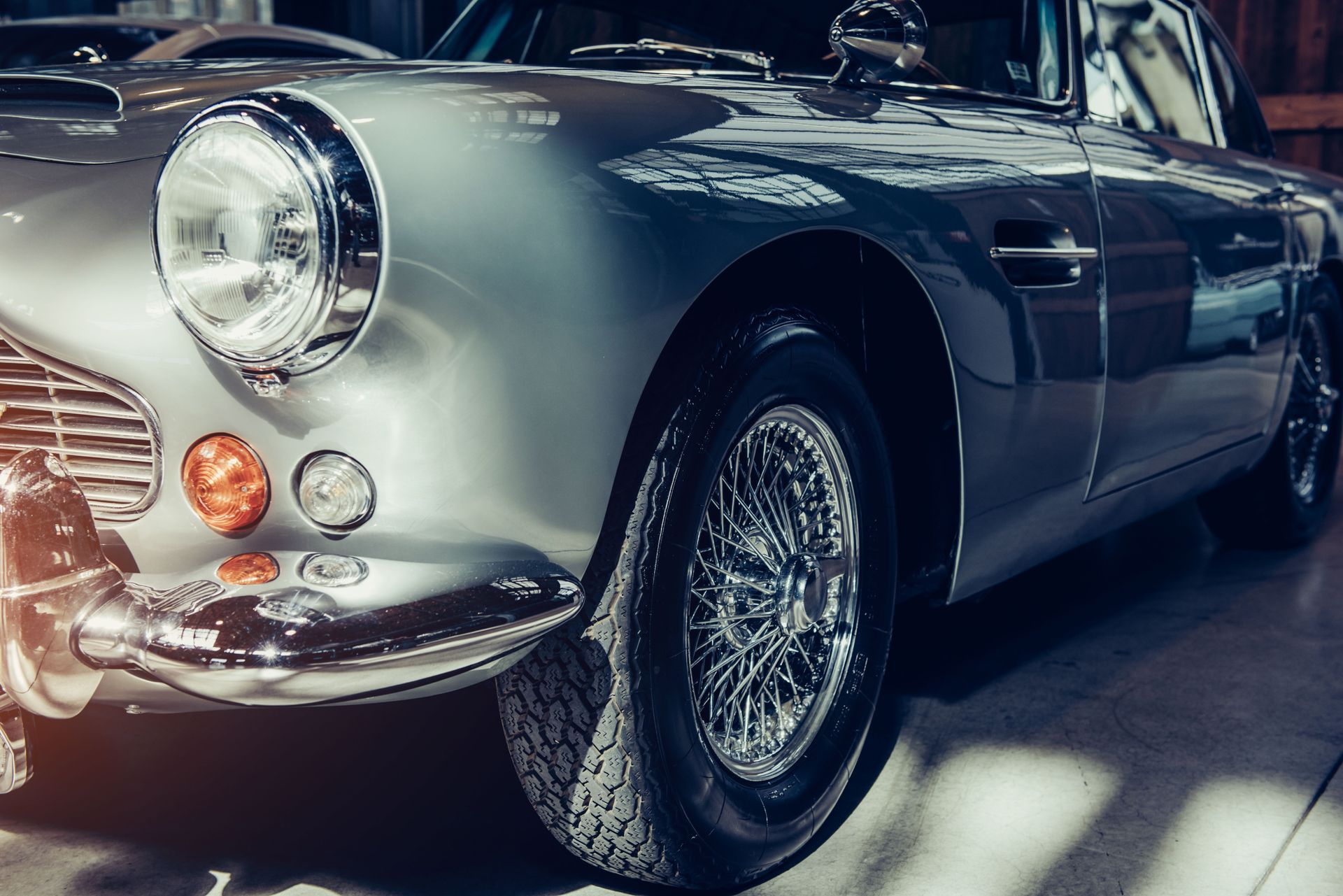
While maintaining factory originality is paramount for some collectors, others view a vintage vehicle as a blank canvas for personal expression. Choosing classic car restoration allows owners to combine timeless exterior styling with personalized upgrades that reflect individual tastes and lifestyle requirements. This can involve selecting non-factory paint finishes, upgrading interior materials to luxurious modern leather, or installing hidden sound systems that preserve the vintage look of the dashboard. This flexibility allows enthusiasts to create a unique vehicle that stands out while respecting the fundamental lines of the original body design. Personalization transforms a standard production vehicle into a tailored reflection of the personality of the owner.
Beyond basic cosmetic alterations, this aesthetic freedom allows for the integration of subtle comfort enhancements that make extended driving more enjoyable. Owners can choose to install modern climate control systems, improved insulation, or ergonomically enhanced seating configurations without altering the classic profile of the exterior sheet metal. These careful improvements allow drivers to enjoy long-distance touring or daily commuting in a vehicle that looks historic but feels comfortable and accommodating. Balancing vintage character with contemporary comfort creates an optimal driving environment that maximizes the overall utility of the automobile. Customized builds ensure that the vehicle remains an active part of the lifestyle of the collector rather than a static display.
4. Enhancing Structural Vehicle Safety
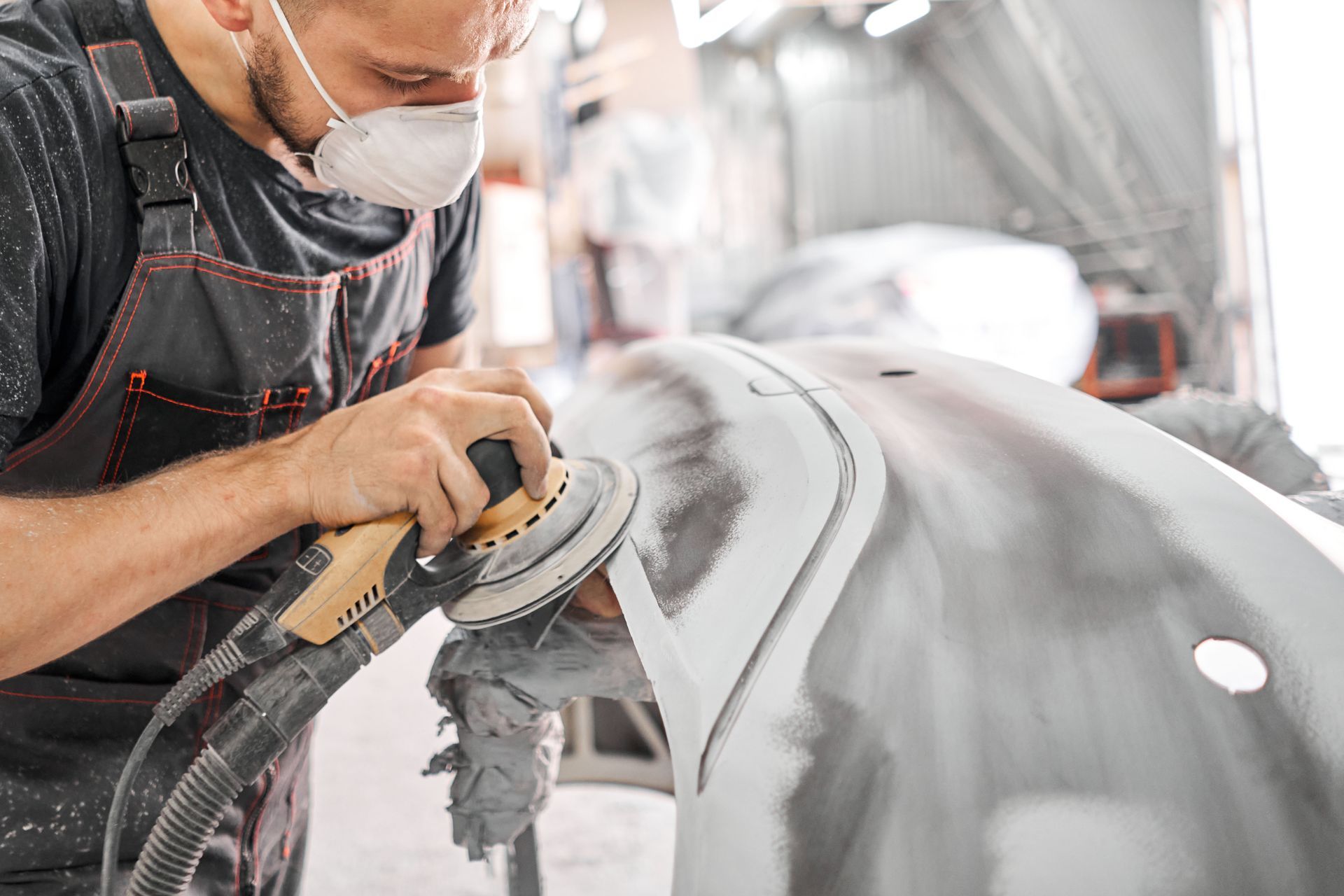
Automobiles from previous eras were constructed using manufacturing standards and safety paradigms that are vastly different from the regulations governing contemporary production. A comprehensive classic car restoration addresses these inherent structural vulnerabilities by systematically reinforcing the chassis, suspension, and braking systems. Technicians completely strip the frame down to bare metal, allowing them to locate and repair hidden structural fatigue, rust damage, or past collision misalignments. Replacing compromised structural members with high-strength materials ensures that the underlying foundation of the vehicle is completely sound and capable of handling modern driving stresses. This deep structural remediation forms the baseline for all subsequent assembly work.
In addition to repairing existing damage, this comprehensive approach allows for the integration of updated safety components that protect occupants without ruining vintage appeal. Enthusiasts can install advanced disc brake conversions, heavy-duty anti-roll bars, and reinforced seat belt mounting points within the historical cabin framework. Upgrading older suspension systems improves handling predictability and tire adhesion, making the vehicle much safer to maneuver during emergencies on busy highways. Ensuring that a vintage automobile possesses modern structural integrity provides complete peace of mind whenever the vehicle is taken out on the road. Structural enhancement ensures that historical driving experiences remain safe and secure for everyone involved.
5. Generating Long Term Value
Purchasing a mass-produced contemporary vehicle is an investment that invariably results in rapid depreciation the moment the automobile leaves the dealership lot. Conversely, allocating resources toward a thorough classic car restoration represents a strategy that can stabilize or actively increase the financial value of the asset over time. Well-executed work on a desirable make and model transforms a deteriorating vehicle into a highly sought-after collector item that commands premium prices in the global marketplace. Discerning buyers are willing to pay significant amounts for automobiles that have documented records of complete, professional remediation. This financial resilience makes the multi-year process a sound alternative to conventional luxury vehicle purchases.
The accumulation of equity through meticulous workmanship is particularly evident when focusing on iconic models that enjoy enduring popularity among international collectors. As the availability of unrestored vintage bodies continues to dwindle, the market demand for completely finalized, turnkey classics remains consistently robust. Proper preservation ensures that the capital invested in parts, labor, and materials is preserved within a tangible, liquid asset that can be passed down through generations. This combination of historical enjoyment and wealth preservation is a unique feature of the collector car hobby, separating it from standard consumer spending. Completing a comprehensive classic car restoration secures a valuable piece of property that brings ongoing financial and emotional returns.
Embarking on the complete overhaul of a vintage automobile is a monumental undertaking that yields unparalleled personal, historical, and financial rewards. Through meticulous historical preservation, traditional mechanical mastery, personalized aesthetic customization, structural safety enhancements, and long-term value generation, enthusiasts transform automotive dreams into reality. This deliberate investment ensures that the pinnacle achievements of industrial design continue to inspire and excite people on the open road. Entrusting this complex process to experienced professionals ensures that every weld, paint stroke, and mechanical adjustment aligns with the highest industry standards of excellence. To begin your own journey toward perfection or to elevate your existing collector vehicle to factory standards, take the time to contact Midwest Corvettes & Classics.

Share On: